
Let’s talk about Dementia!
5 December 2016
Dementia is scary. At the moment, we do not have much knowledge on the condition even though it is something that will affect everyone eventually, directly or indirectly. The number one social problem happening in Singapore today is the steady incline of the aging population. This in turn creates a greater need for awareness and information on diseases and disorders affecting the elderly. Thus, Sing’theatre will be tackling this issue head on in our upcoming jukebox musical production, set for 2017 called “Forever Young”. We are delighted to have the opportunity to chat with Dr Shawn Watson who is a neuroscientist and Chief Executive Officer at Senescence Life Sciences on 14th November, who was able to shed some light on Dementia.
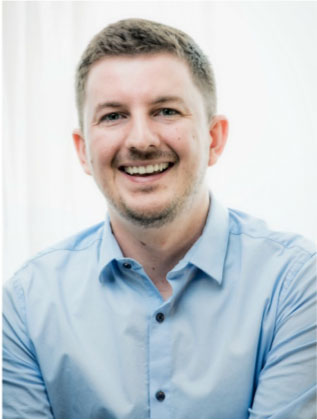
In Singapore and many of our Asian counterparts, there is HUGE stigma on cognitive illness such as Dementia. Many of us are so frightened by the subject that we decide to ignore it rather than trying to learn more about the matter. Instead, it is encouraged to talk openly about Dementia in order to help normalise conversation on this very common disease, thus inspiring discussion and discoveries on degenerative diseases and disorders. As the saying goes “Prevention is better than cure” and so being aware of early prevention techniques, as well as being able to identify the early warning signs of Dementia is imperative in helping to delay the onset of this disease.
This is the advice given by Dr Watson during our interview with him for “Forever Young” :
What is Dementia? Dementia is an illness which affects the brain, causing the brain cells to die at a faster rate than normal. This in turn causes impairments in thinking, communicating, and memory. A person suffering from an advanced case of dementia will realise that dementia reduces his/her ability to perform everyday activities.
Is there a cure? Unfortunately at the moment there is no cure for dementia for those who already have it. However, Dr Watson explains that while it is incurable, we are able to educate the population on how we can reduce the risk of getting it.
Any tips on how to prevent this? Contrary to popular belief, intellectual stimulation through reading is not the only and optimal way to slow down cognitive decline. Exercise coupled with supplements and face-to-face socializing can reduce the risk of dementia. A person who exercises has a lower chance of developing Dementia. Exercise is not only good for physical health, it has been proven to help improve mental health and cognitive stimulation. Socialising is another great way to keep the mind active, thus making it important for each individual to have at least 5 people in their life to carry out human interaction with, be it with family or friends.
I’m so forgetful! Should I be worried? Natural cognitive decline occurs as early as in our 20s, with physiological signs becoming evident in our early 40s. However a good rule of thumb to ask yourself is – “Is my forgetfulness affecting my day to day life?” If no, you are most probably safe. However, if you are worried, unsure or believe to be frequently experiencing any of the signs mentioned in this article, please consult your physician.
Moving the focus towards education and prevention rather than cure, Dr Watson expressed that he is optimistic about slowing down cognitive decline in Dementia and other in-kind illness all together. Fingers crossed! So in the meantime, don’t fret and let’s talk about Dementia!
For more details on Cognitive decline and its mechanics, please click here.

